
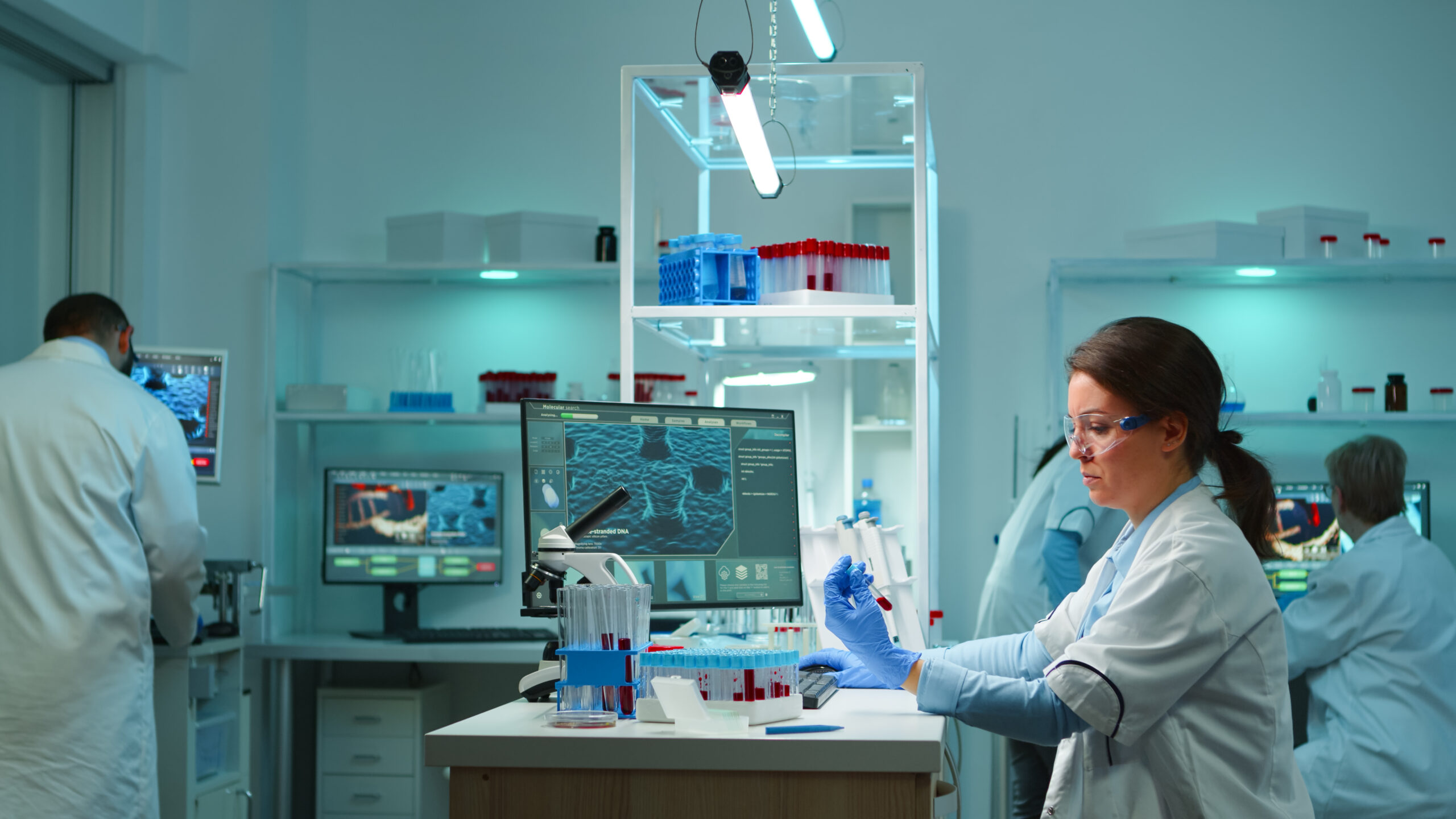
For biotech companies that have moved past early-stage research and are working toward commercial development, incubator bench space is no longer enough. Stage 2 life sciences firms, those with an established team, active programs, and growing operational complexity, need private lab facilities, dedicated office space, and infrastructure that can support data-intensive scientific work. In San Antonio, that combination is available in the Medical Center corridor at San Antonio Technology Center.
The Gap Between Incubator and Commercial Space
San Antonio has a growing inventory of incubator and early-stage lab resources. Shared BSL-2 facilities, bench-share programs, and co-working lab environments serve an important purpose for companies in their earliest phases.
Those resources are designed for companies that cannot yet fill or afford private space. They offer flexibility and affordability at the cost of control. You share equipment. You share ventilation and environmental systems. You share timing for procedures that need the space. You operate on a calendar that accommodates other users.
A company with six researchers running active protocols, expanding into adjacent program areas, and preparing for the next funding round needs something different. The question is not whether shared space works, but whether it is still appropriate.
What Stage 2 Companies Actually Need
The requirements shift substantially once a biotech company has moved beyond the early exploratory phase.
Private, controlled lab space. At the incubator stage, shared BSL-2 access is adequate. Past that, having your own space means your team controls the environment, the schedule, and the equipment configuration. You are not coordinating around other organizations’ protocols or competing for time on shared equipment.
Flexible square footage. Stage 2 companies often have growing scientific teams and the office headcount that comes with them: project managers, regulatory affairs staff, business development, finance. The facility needs to accommodate both the lab and the people who support the science.
Reliable, high-bandwidth connectivity. Genomic sequencing, imaging data, computational modeling, and collaboration with remote research partners all generate substantial data volumes. A lab running modern protocols needs connectivity infrastructure that does not compress or throttle that traffic. Standard commercial office internet is frequently inadequate for this workload.
On-site computing infrastructure. Many life sciences companies at the Stage 2 phase are running proprietary databases, analysis pipelines, or regulatory document management systems on owned hardware. Proximity to data center infrastructure, rather than a round trip to a remote facility, affects how those systems perform and how quickly issues get resolved.
Location in the research ecosystem. Proximity to academic medical centers, hospital systems, and research institutions affects everything from talent recruitment to partnership development to clinical trial access.
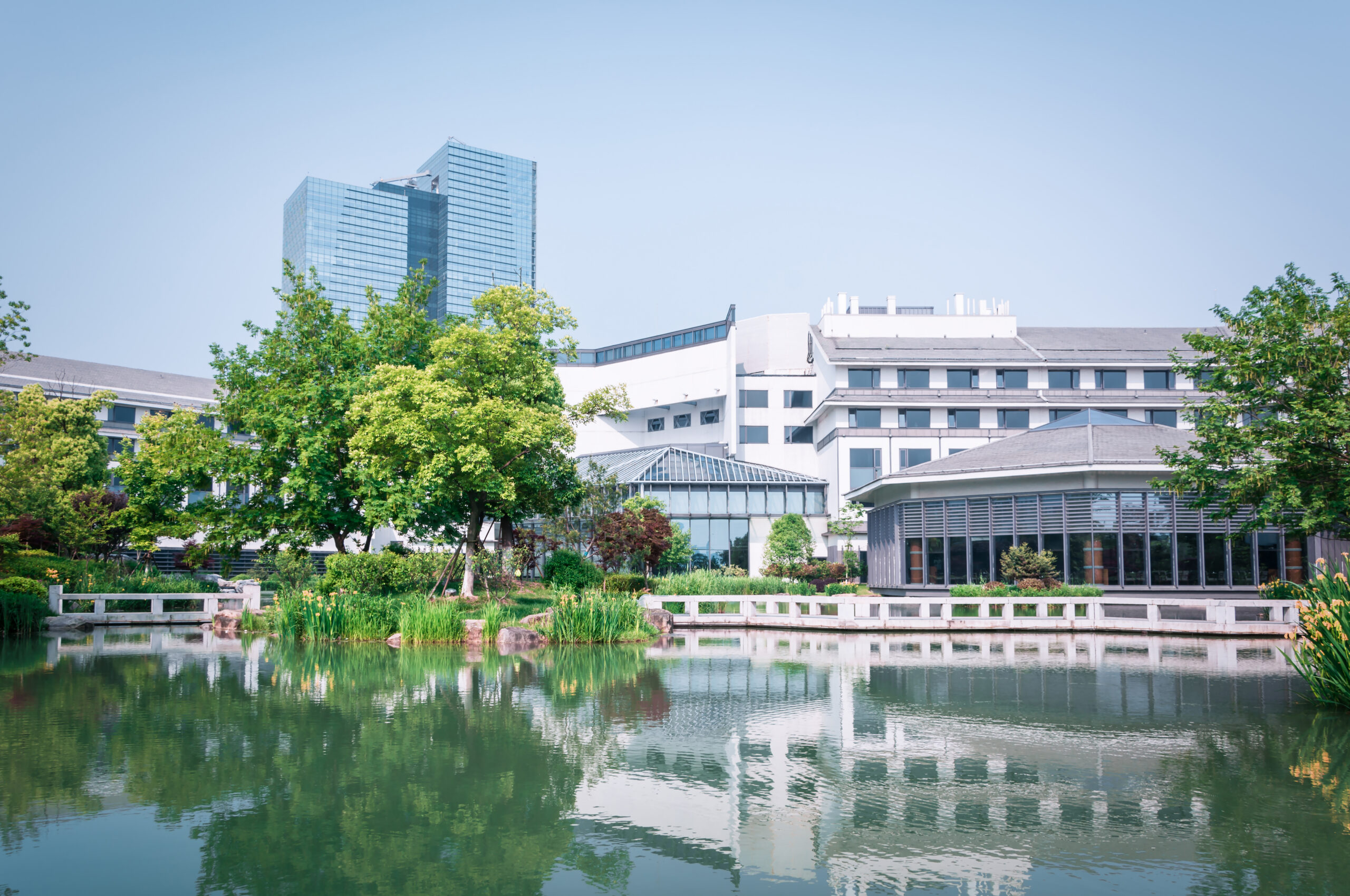
The Medical Center Corridor Advantage
San Antonio’s Medical Center is the concentration point for the city’s life sciences ecosystem. UT Health San Antonio, one of 16 institutions nationally with R1 research designation as of 2025, anchors the corridor. Brooke Army Medical Center (BAMC), one of the country’s premier military medical research facilities, is nearby. The Texas Biomedical Research Institute conducts internationally recognized infectious disease research a short distance away.
San Antonio generates more than $44 billion annually through its bioscience and healthcare sectors, according to the Texas Economic Development Corporation. The city has more than 1,800 active clinical trials underway at any given time.
For a Stage 2 biotech company looking to grow its footprint in the San Antonio market, operating in the Medical Center corridor means operating at the center of that ecosystem, not on the periphery.
The Incubator Model Is Not the Only Model
Most early-stage biotech programs in San Antonio have some familiarity with the incubator model, including shared labs with community-facing missions and early-stage programming built around startup development.
That model serves its purpose well. It is designed for companies that benefit from community infrastructure, mentorship networks, and subsidized early access to equipment.
The SATC model is different. The building houses a community of established biomedical and technology companies, including StemBioSys, NuclioBio, RegenTX Labs, Neuro Event Labs, and others. These are not early-stage startups exploring whether their science is viable. They are operating companies with ongoing programs, customers, and complex infrastructure needs.
The building exists to support that kind of organization, and the facilities reflect those requirements.
What SATC Provides for Biotech Tenants
San Antonio Technology Center at 3463 Magic Dr combines privatelab space for lease with the operational infrastructure growing life sciences companies need:
Private lab facilities. Biotech-ready lab space with the configurations required for active research programs, not bench-share arrangements.
On-site data center. Bexar Datacenter operates a data center inside the building. Tenants with research computing requirements can house servers in the same facility as their labs and offices, eliminating the latency and operational friction of a remote colo arrangement.
Fiber-to-suite connectivity.Dedicated fiber infrastructure supports data-intensive scientific workflows without the bandwidth constraints of standard commercial internet.
TxDir network access. The building connects to the Texas Department of Information Resources network, relevant for tenants working with state universities, government research programs, or healthcare institutions that operate on state network infrastructure.
24/7 building access. Research does not operate on a Monday-Friday schedule. Tenants have around-the-clock access to their lab and office space.
Lab Space FAQs
What does a Stage 2 biotech company need in office and lab space? A Stage 2 biotech company, one that has moved past early R&D and is advancing toward commercial development, typically needs private lab space with controlled access, dedicated office space for a growing administrative and scientific team, reliable high-bandwidth connectivity for data-intensive research, and a facility with on-site IT infrastructure to support their computing needs.
What is the difference between an incubator and commercial lab space? Incubator lab space, like bench-share or shared BSL-2 facilities, is designed for early-stage companies that cannot yet afford or fill private space. Commercial lab space offers dedicated, private facilities with more square footage, independent environmental controls, and lease terms appropriate for companies with established operations.
Where can growing biotech companies find private lab space in San Antonio? San Antonio Technology Center at 3463 Magic Dr offers private, biotech-ready lab space in the Medical Center corridor. The building combines lab facilities with on-site data center colocation, fiber-to-suite connectivity, and office space, making it suitable for companies with complex infrastructure requirements.
Why does the Medical Center location matter for biotech companies? San Antonio’s Medical Center corridor is home to UT Health San Antonio, Brooke Army Medical Center, the Texas Biomedical Research Institute, and a concentration of hospitals and research institutions. For biotech companies, proximity to academic medical centers means easier access to research partnerships, clinical trial infrastructure, and specialized talent.
What biotech companies currently operate at San Antonio Technology Center? Current SATC tenants in the life sciences and biotech space include StemBioSys, NuclioBio, Oncobiomix, RegenTX Labs, Neuro Event Labs, and Medvantech, among others. The building houses a community of active biomedical and technology companies.
Ready to discuss lab space availability at SATC? Reach our leasing team at 210-582-5800 or contact us here.